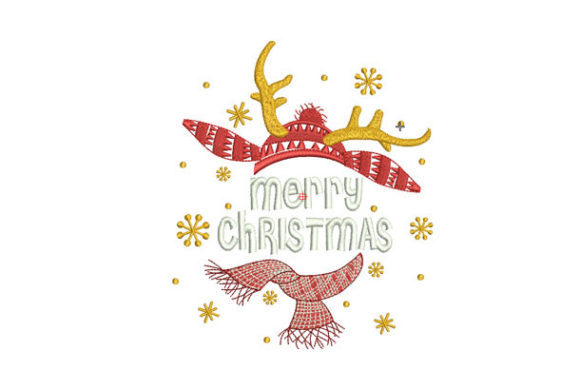
Cute Reindeer Merry Christmas: A Designer's Field Test
When I first pulled up the Cute Reindeer Merry Christmas file on my digitizing screen, my immediate reaction was one of cautious optimism. As someone who spends more time troubleshooting stitch paths than actually stitching, I look for specific tells in a machine embroidery design before I even hoop a piece of fabric. Does the flow make sense? Are the underlays sufficient for the intended fabric? Is the density balanced so it doesn't turn a soft sweatshirt into a cardboard shield? This design, with its whimsical charm, initially reads as a perfect candidate for holiday gifting, but a pretty preview image rarely tells the whole story of how a finished product will perform in the real world.
First Impressions and Visual Personality
The mood of Cute Reindeer Merry Christmas is undeniably cheerful and nostalgic. It leans heavily into that cozy, storybook aesthetic that sells incredibly well during the winter season. The layout appears compact, which is a double-edged sword; it fits easily into standard hoops, making it versatile for custom apparel like left-chest logos on flannels or center placements on tea towels. However, the "cute" factor often relies on small details—tiny eyes, delicate antlers, or subtle text elements. In embroidery, small details are where designs live or die. If the stitch density is too high in these micro-areas, you risk thread breaks or bird nesting. If it's too low, the definition vanishes into the fabric texture. My initial assessment suggests this design works best when scaled appropriately to preserve those defining features without overwhelming the material.
Real-World Application: The Holiday Tote Scenario
To truly evaluate this embroidery project, I imagined a specific use case: a custom order for a local boutique needing fifty tote bag designs for a holiday market. The client wanted something festive but not overly childish, suitable for adults carrying gifts. Cute Reindeer Merry Christmas seemed like a strong contender here. On a canvas tote, the stability of the fabric supports the stitch count well, allowing the satin stitch outlines to pop against the weave.
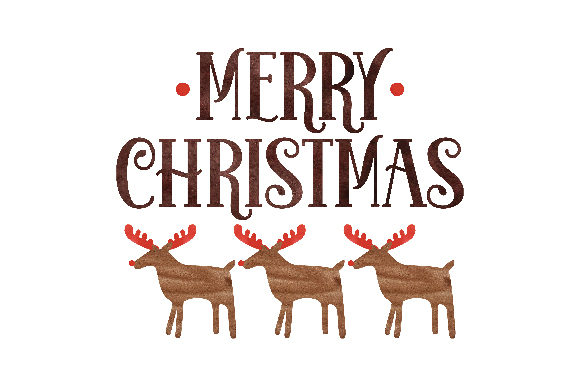
However, the real test came when considering the thread colors. A design like this often relies on contrast. If I were stitching this on a natural beige bag, I'd need to ensure the brown and red tones in the Cute Reindeer Merry Christmas file have enough depth to stand out. On darker fabrics, the lack of a proper underlay could make the colors look muddy. For a small shop product, consistency is key. If the first bag looks crisp and the tenth looks slightly distorted due to fabric shift, your brand reputation takes a hit. This design seems robust enough for production runs, provided you are diligent about your hooping technique and stabilizer selection.
Versatility Across Different Products
Beyond tote bags, the potential applications for this digital embroidery file are broad. It translates well to sweatshirt embroidery, particularly on fleece or French terry, where the loft of the fabric adds a nice dimensionality to the reindeer's features. For baby embroidery, such as on a onesie or a burp cloth, the softness of the final stitch-out is paramount. You would need to verify that the backside of the stitching isn't too scratchy, perhaps by using a soft cut-away stabilizer that can be trimmed close to the edge.
I also considered its use as an embroidered patch. If you plan to create merrow-edge patches using this motif, the compact nature of the design is a significant advantage. It allows for a clean border without cramping the internal details. For holiday embroidery on home decor, like pillow covers or kitchen linens, the design holds its own. It strikes a balance between decorative and functional, meaning it won't look out of place in a modern home setting, unlike some overly traditional or cluttered seasonal motifs.
Technical Considerations and Potential Pitfalls
While Cute Reindeer Merry Christmas has strong visual appeal, there are areas where a designer must exercise caution. First, consider the hoop size. If the design includes any accompanying text like "Merry Christmas," ensure the font size remains legible when resized for smaller items like caps or socks. Tiny lettering is the first thing to degrade when a design is scaled down beyond its recommended limits.
Textured fabrics present another challenge. If you are stitching this on a waffle knit or a heavy cable knit sweater, the running stitch details might get lost in the valleys of the fabric weave. In these cases, a heavier topping stabilizer is non-negotiable. Similarly, for stretchy fabrics used in custom apparel, the density of the fill stitch areas needs to be monitored. Too much density on a stretchy garment can cause the fabric to pucker or the design to crack after repeated washing. Always test on a scrap piece of the actual garment fabric before committing to the final run.
Enhancing Value and Professionalism
Ultimately, the choice of a design impacts your craft business bottom line. A well-executed Cute Reindeer Merry Christmas stitch-out elevates a simple item into a personalized gift that feels premium. Customers associate clean, crisp stitching with quality. If the edges are frayed or the registration is off, the perceived value drops instantly. This design, with its friendly character, has high "giftability." It triggers an emotional response that drives buyer engagement, whether you are an Etsy seller listing digital assets or a maker selling physical goods at a craft fair.
For those using this as part of their design assets library, creating high-quality printable mockups is essential. Show the design on various backgrounds—light, dark, and textured—to give potential buyers a realistic expectation of the outcome. Transparency about the embroidery file requirements builds trust. If you aren't sure about the specific stitch count or compatible machine formats since they weren't explicitly detailed in the product description, advise your customers to check the technical specs before purchasing. This honesty reinforces your professionalism.
Final Verdict for the Working Designer
In conclusion, Cute Reindeer Merry Christmas is a solid addition to a holiday portfolio, offering a blend of charm and practicality. It shines brightest on stable, medium-weight fabrics where its details can be fully appreciated. While it requires careful attention to stabilizer choice and scaling limits, its versatility across commercial embroidery projects makes it a worthwhile investment. Whether you are decorating a batch of aprons for a cafe or creating a limited run of holiday tees, this design provides a reliable foundation for a high-quality handmade product. Just remember: the magic isn't just in the digital file; it's in the execution. Test your tension, respect the fabric, and let the reindeer bring that seasonal joy to your customers.