Papercraft Christmas Tree: A Designer's Review
As a graphic designer who spends most of the year refining brand identities and crafting marketing visuals for small business owners, my approach to seasonal assets is strictly practical. I am not looking for cute clipart to fill space; I am looking for a graphic design asset that can carry weight in a real client project. When I first opened the files for the Papercraft Christmas Tree, my immediate impression was one of textured warmth. In an era where digital perfection often feels sterile, this asset brings a tangible, handmade quality that resonates deeply with current design trends. It mimics the layering and shadow play of physical paper cutting, creating a sense of depth that flat vectors often lack.
Setting the Mood for Handmade Brands
The visual mood created by the Papercraft Christmas Tree is distinctly cozy, artisanal, and inviting. It does not scream "corporate holiday party"; instead, it whispers "boutique gift shop" or "local bakery special." This makes it an ideal fit for clients in the handmade business sector, Etsy sellers, and boutique product lines that rely on emotional connection rather than sleek minimalism. For a recent project involving a local candle maker launching a winter collection, this asset provided the perfect anchor. It allowed us to move away from generic red-and-green clichés and toward a more sophisticated, textural aesthetic that aligned with their brand story of craftsmanship and care.
When evaluating how this digital product performs across various mediums, the versatility is surprising. While it shines as a central hero graphic in large layout areas, such as packaging design for limited-edition boxes or posters for community events, it also scales down effectively for specific applications. I have successfully integrated it into sticker designs, where the layered look adds perceived value to the physical product. For t-shirt design and sublimation projects, the clean edges of the vector-based elements ensure that the intricate "paper" layers do not blur during printing, maintaining that crisp, cut-out appearance even on fabric.
Strategic Application in Marketing Visuals
In the realm of social media graphics and content creation, the Papercraft Christmas Tree serves as a powerful tool for stopping the scroll. On platforms like Instagram and Pinterest, where visual hierarchy is everything, this illustration draws the eye without overwhelming the accompanying text. It works exceptionally well in Canva templates designed for coaches or bloggers who want to add a festive touch to their editorial content without compromising their professional image. However, designers must be strategic. This asset thrives when given breathing room. Placing it in crowded layouts or against complex backgrounds can diminish its impact, causing the subtle shadows and layers to get lost in the noise.
For web design and digital ads, the asset functions best as a decorative accent or a themed collection header. It adds a layer of seasonal relevance to a homepage banner or a newsletter header, signaling to the audience that the brand is active and engaged with the current season. Yet, caution is required when using it in minimalist branding scenarios. If a client's brand identity relies on ultra-clean lines and monochromatic schemes, the textured nature of this SVG design might clash. It is less suitable for high-stakes corporate materials where absolute neutrality is preferred over stylistic flair.
Technical Considerations for Professional Use
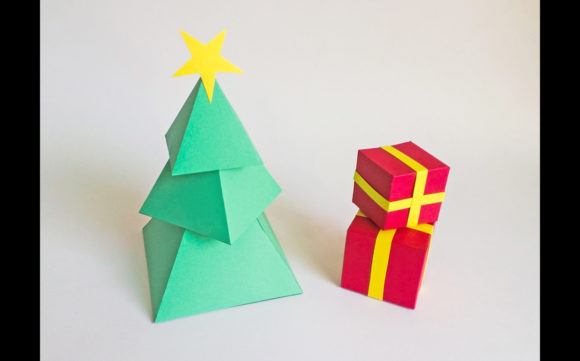
Before committing to any commercial design project, I run a series of technical checks, and the Papercraft Christmas Tree holds up well under scrutiny. One critical step is testing the asset in black and white. Since many print-on-demand services and budget-friendly printing options for small business branding utilize single-color processes, ensuring the design retains its form without color is essential. Fortunately, the strong silhouette of this tree maintains its integrity even when stripped of its holiday palette.
Contrast is another vital factor. When placing this PNG design on dark backgrounds, the lighter "paper" layers pop beautifully, but on mid-tone backgrounds, the shadow effects can sometimes reduce legibility. I recommend previewing the asset at both very small sizes, such as favicon or profile picture dimensions, and large formats like trade show banners. At small scales, the finest details of the paper layers may merge, so simplifying the composition or using it as a background watermark might be necessary. For Cricut users and crafters looking to create physical decorations, the vector paths are generally clean, allowing for precise cutting without excessive weeding.
Enhancing Brand Consistency and Trust
Ultimately, the value of the Papercraft Christmas Tree lies in its ability to enhance visual trust and audience engagement. When a customer sees a cohesive visual language across packaging design, social media posts, and website graphics, it signals professionalism. This asset helps bridge the gap between digital presence and physical product, making a brand feel more "real" and accessible. It supports the narrative of a brand that values detail and quality, which is crucial for converting browsers into buyers during the competitive holiday season.
Designers should also consider how this illustration pairs with typography. It complements serif fonts that evoke tradition and stability, as well as handwritten fonts that reinforce the handmade aesthetic. However, pairing it with overly modern, geometric sans-serif fonts can create an interesting juxtaposition if done intentionally. Before finalizing any client deliverable, always review the commercial license associated with the design bundle. Ensure that the terms allow for use in merchandise, digital products, and unlimited print runs if your client plans to scale their operations.
In conclusion, the Papercraft Christmas Tree is more than just a seasonal decoration; it is a versatile component for a thoughtful creative design strategy. Whether you are building a brand identity for a new shop, designing a holiday campaign for an established business, or creating digital assets for a creative marketplace, this tool offers the texture and warmth needed to make your work stand out. By understanding its strengths in storytelling and its limitations in complex layouts, designers can leverage this asset to create polished, professional, and emotionally resonant results that truly celebrate the spirit of Christmas.