Santa Cookie Plate: A Designer's Review for Holiday Stitching
As we move into the peak season for holiday crafting, the pressure to find designs that balance whimsy with technical reliability is higher than ever. I recently spent some time evaluating the Santa Cookie Plate embroidery design, specifically looking at how it holds up under the scrutiny of a professional machine embroidery workflow. For those of us running small shops or selling on Etsy, a cute concept isn't enough; the file needs to stitch out cleanly, look professional on various fabrics, and resonate with customers who are tired of generic holiday decor.
First Impressions and Visual Personality
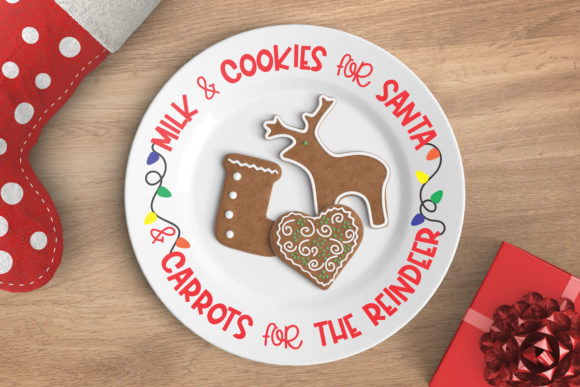
The first thing that strikes me about the Santa Cookie Plate is its charming, nostalgic mood. It captures that cozy, "cookies for Santa" tradition without feeling overly childish or cluttered. The layout suggests a classic plate arrangement, likely featuring cookies, perhaps a glass of milk, and distinct Santa-themed elements. From a design perspective, the visual personality feels warm and inviting, making it an excellent candidate for holiday embroidery projects that aim to evoke homey feelings.
However, initial visuals on a screen can be deceiving. The true test lies in how the machine embroidery design translates into thread. Does the shape rely too heavily on tiny details that might get lost? Is the theme clear from a distance? In my assessment, this design seems to prioritize bold, recognizable shapes over excessive intricacy, which is a smart move for items that will be viewed from across a room, such as pillow covers or wall hangings.
Real-World Application: The Custom Tote Scenario
To truly gauge the value of this embroidery file, I imagined a specific real-life scenario: creating a limited run of custom canvas tote bags for a local boutique's holiday pop-up shop. The goal was to produce a handmade product that felt premium yet festive.
Using the Santa Cookie Plate on a natural cotton canvas tote offers a great contrast. The design's potential use of satin stitch borders around the plate or cookies would provide a nice sheen against the matte fabric, while fill stitch areas could add depth to the cookies themselves. For an Etsy seller, this application is gold. It transforms a simple bag into a personalized gift ready for gifting or retail. The design fits the center of a tote perfectly, allowing for enough negative space so the embroidery doesn't distort the bag's structure when filled with groceries or gifts.
Beyond totes, I can see this working beautifully on sweatshirt embroidery. Imagine a cream-colored crewneck with the design stitched on the left chest or centered large on the back. The "cookie" theme pairs exceptionally well with loungewear, appealing to customers looking for comfortable, festive custom apparel. It also has strong potential as an embroidered patch if digitized with a merrowed edge or finished with a clean satin border, allowing it to be ironed onto denim jackets or hats later.
Technical Considerations and Fabric Challenges
While the aesthetic is strong, practical execution requires caution. When working with the Santa Cookie Plate, one must carefully consider the stitch density. Holiday designs often tempt digitizers to pack in too many details to make the image "pop." If the density is too high on a lightweight fabric, you risk puckering or a stiff hand feel. This is critical if you are planning baby embroidery projects, where softness is paramount. Always test the design on scrap fabric similar to your final material before committing to a production run.
Textured fabrics present another challenge. If you are stitching this onto a waffle-knit towel or a heavy wool blend, fine details like tiny crumbs or small text (if included in the design) might get swallowed by the fabric texture. In these cases, simplifying the underlay or choosing a slightly larger hoop size to scale the design up might be necessary. Conversely, on stretchy knits, proper stabilization is non-negotiable. A cut-away stabilizer is usually my go-to for garments that will be worn and washed frequently, ensuring the finished product maintains its shape over time.
Dark fabrics require special attention to thread colors. If the design relies on light threads for the plate or milk glass, ensure there is sufficient underlay to prevent the dark garment color from showing through. Running a black-and-white mockup test can help you visualize contrast issues before you thread up the machine.
Impact on Brand and Customer Perception
For craft business owners, the choice of design directly impacts brand consistency and customer trust. A design like Santa Cookie Plate, when executed well, signals professionalism. It shows that you care about quality and thematic relevance. Sloppy stitching or a design that pulls apart after one wash can damage a small shop product's reputation instantly.
This design has the potential to enhance buyer engagement because it taps into a universal holiday memory. It's not just a pattern; it's a conversation starter. Whether used for commercial embroidery clients or direct-to-consumer sales, the visual appeal of a well-stitched cookie plate can increase the perceived value of the item, justifying a higher price point for your printable mockup listings and physical goods alike.
Designer Notes for Success
Before integrating this into your lineup, keep these practical steps in mind:
- Test First: Always stitch a sample on scrap fabric to check for registration issues or excessive pull.
- Check Licensing: Confirm whether the digital embroidery file allows for commercial use if you plan to sell finished items.
- Review Details: Inspect small corners and tight curves to ensure your machine can handle them without thread breaks.
- Stabilizer Choice: Match your stabilizer to the fabric weight; don't guess.
- Color Contrast: Verify that your chosen thread colors stand out against the garment, especially for night-time viewing or dim lighting.
In the world of Crafts, the difference between a good product and a great one often comes down to the details. The Santa Cookie Plate offers a delightful foundation for holiday creativity, but its success depends on your technical execution. By respecting the limitations of your materials and understanding the nuances of the design, you can create stunning design assets that delight customers and stand the test of the season. Whether it ends up on a kitchen towel, a festive cap, or a boutique pillow, this design has the versatility to become a staple in your holiday collection if handled with care.